The first cool morning in Georgia always arrives without warning. One week you’re running the AC on high, the next you’re standing in your driveway at 7 a.m. thinking about a jacket. That’s also the week Helen, Georgia starts filling up. By October, people across the state are traveling to Helen for Oktoberfest. It’s the ultimate October tradition, filled with parades, ceremonial keg tapping, oom-pah bands, sauerkraut, cheeses, and more.
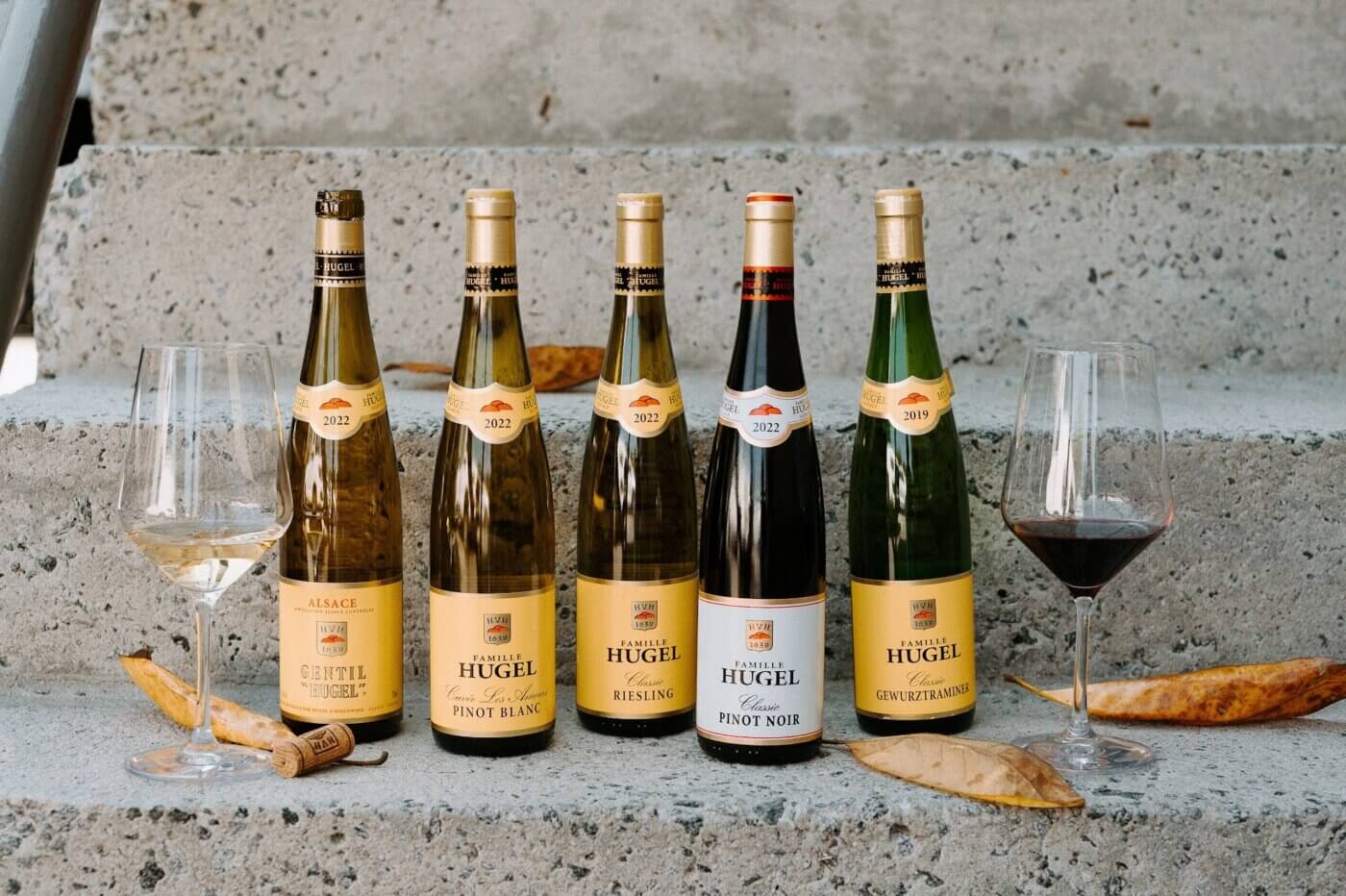
Whether you’re driving to Helen or throwing your own version in your backyard, we’ve got a few beverages you should pour this Oktoberfest season: a Pils from Nuremberg and a family’s worth of white and red wines from Alsace.
Tucher: 700 Years of Nuremberg Brewing
Nuremberg has been brewing beer for more than 700 years, and the city was fussy about it from the start. An ordinance in 1303 laid down that beer made here used barley and nothing else (two full centuries before Bavaria got famous for saying the same thing). The beer traveled well, too. Nuremberg barrels became one of the imperial city’s proudest exports, and for generations this was where the world came to buy its hops.
Tucher has carried that flag since 1855, and the brewery is still woven into the social and cultural life of Nuremberg, supporting projects around the city. Their beers are made to taste like where they come from.
Tucher Pils
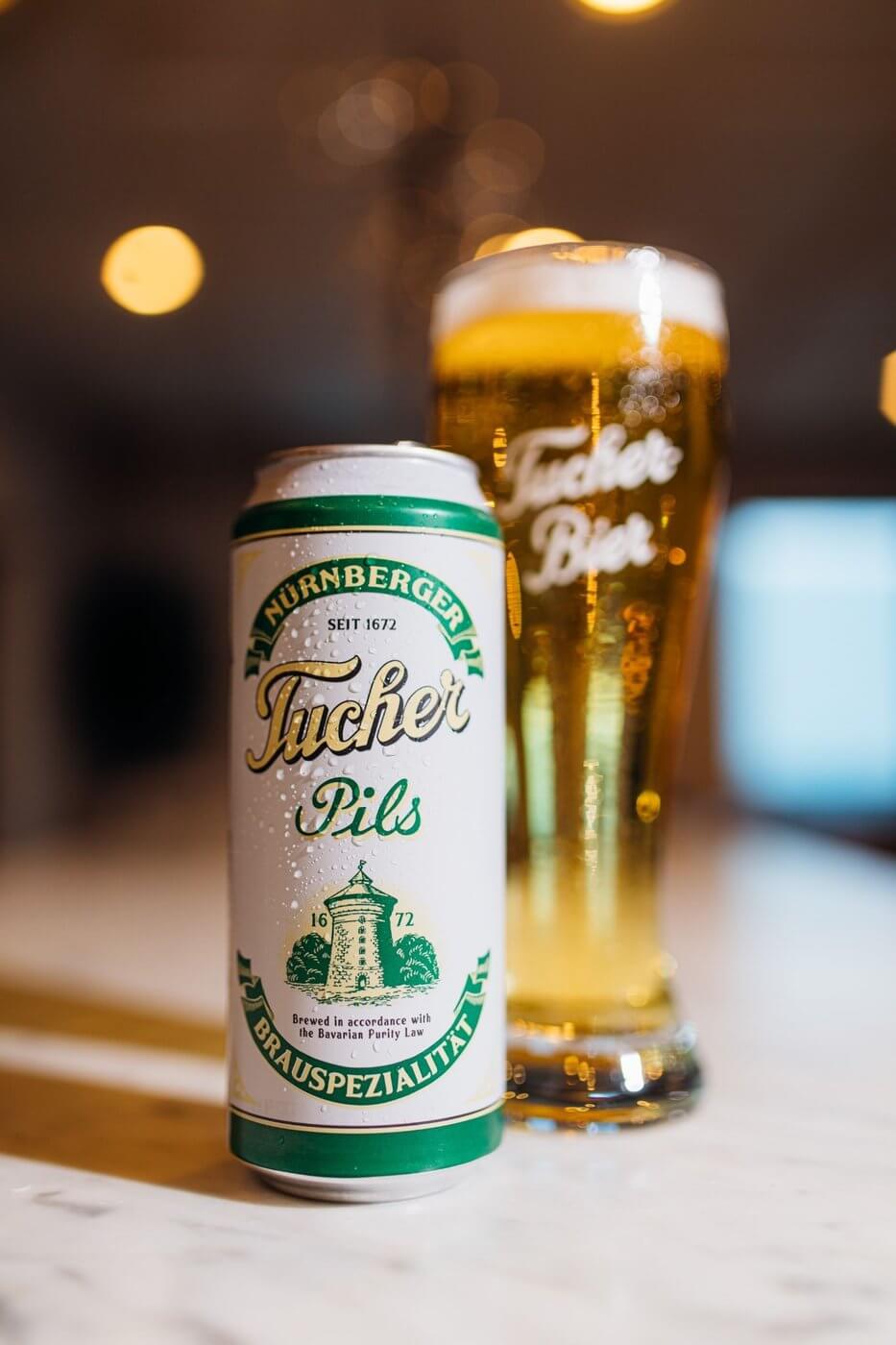
Nuremberg’s hop tradition is the whole point. The Pils is brewed with selected hops including the celebrated Hallertau aromatic variety “Tradition,” and the soft water comes from the brewery’s own well. Bottom-fermented, light golden yellow in the glass, with an original wort of 11.2%.
Nose: an intense hop bouquet, grassy and bright.
Palate: crisp and spicy, with clean malt underneath and no sweetness getting in the way.
Finish: finely bitter and dry, in true Nuremberg spirit.
At 5.0% ABV, this is the beer for a long afternoon. It’s crisp enough to cut through a bratwurst with spicy mustard, sessionable enough that you can have a second while the game’s still on, and it will do more for a plate of fried catfish or grilled chicken than most people expect.
Hugel: Twelve Generations in Riquewihr
Cross into Alsace, and the accent changes but the flavors don’t. This is the sliver of France pressed against the German border, and the vineyards there grow Riesling, Gewurztraminer, Pinot Blanc, and Sylvaner. The same grapes that built German wine culture, grown in a French corner of the same river valley. For a German-themed table, Alsace is home turf.
The Hugel family has been making wine in the village of Riquewihr since 1639. Twelve unbroken generations. Alsace is the driest wine region in France, with a cool, long growing season, and their classic wines come from hand-harvested grapes across a dozen of the best sites in and around the village. Grapes arrive in small tubs and the presses fill by gravity, no pumping and no mechanical shortcuts.
Hugel Gentil
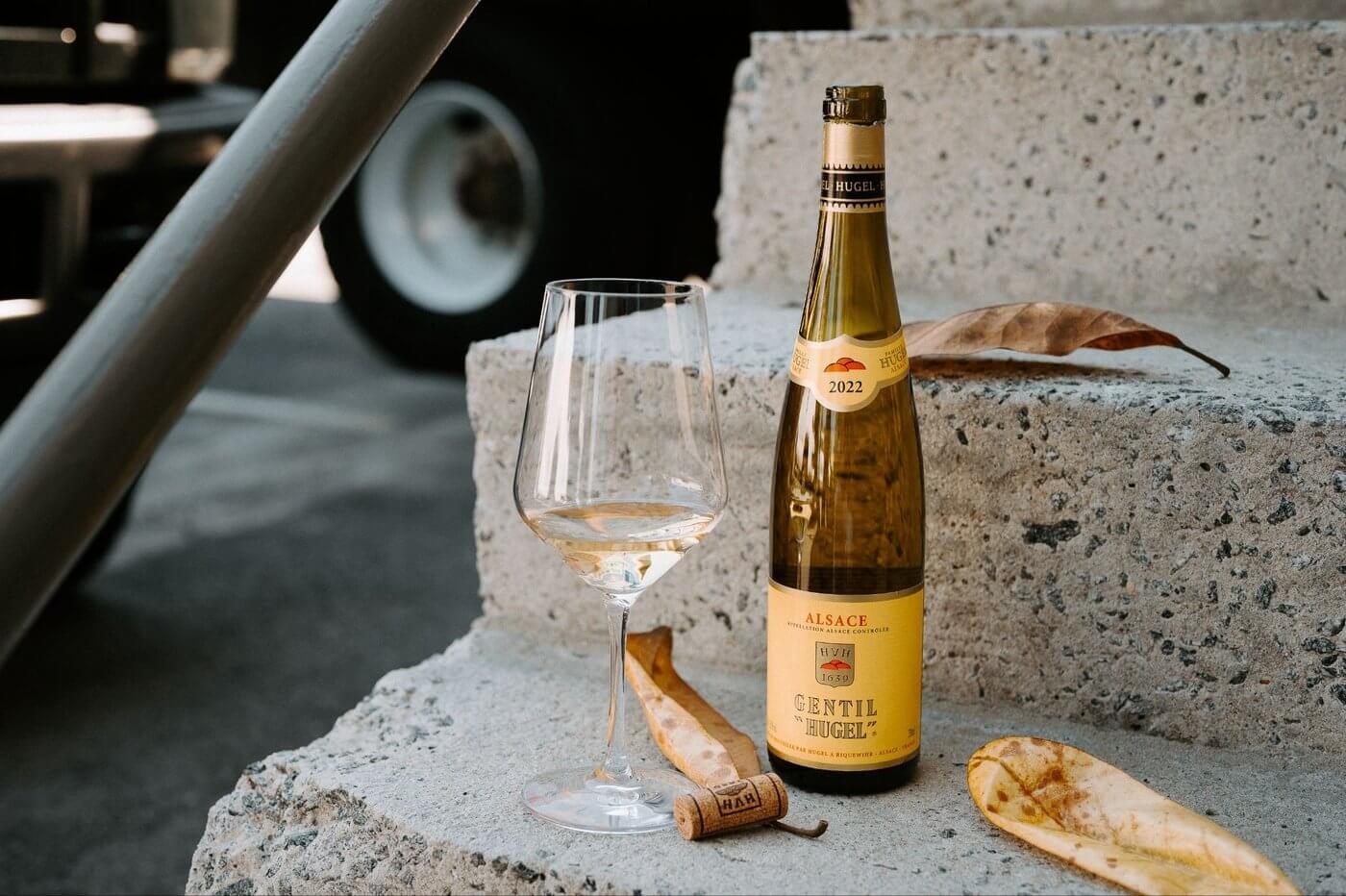
Gentil revives an old Alsace tradition - a wine blended from noble grape varieties, once considered the region’s most generous pour. The 2025 brings together Gewürztraminer, Riesling, Pinot Blanc, Sylvaner, Pinot Gris, and Muscat, and each one has a different job.
Nose: yellow plum, rose, quince, and citrus zest, unmistakably Alsace.
Palate: supple and graceful, everything in harmony rather than any one voice shouting.
Finish: delicate and fresh, dry enough to reset the palate.
If your guests don't know Alsace yet, start them here. It's the friendliest introduction in the portfolio.
Best enjoyed: as the opening pour of the party, alongside a board of country ham, sharp cheddar, and pickled peaches.
Hugel Classic Riesling
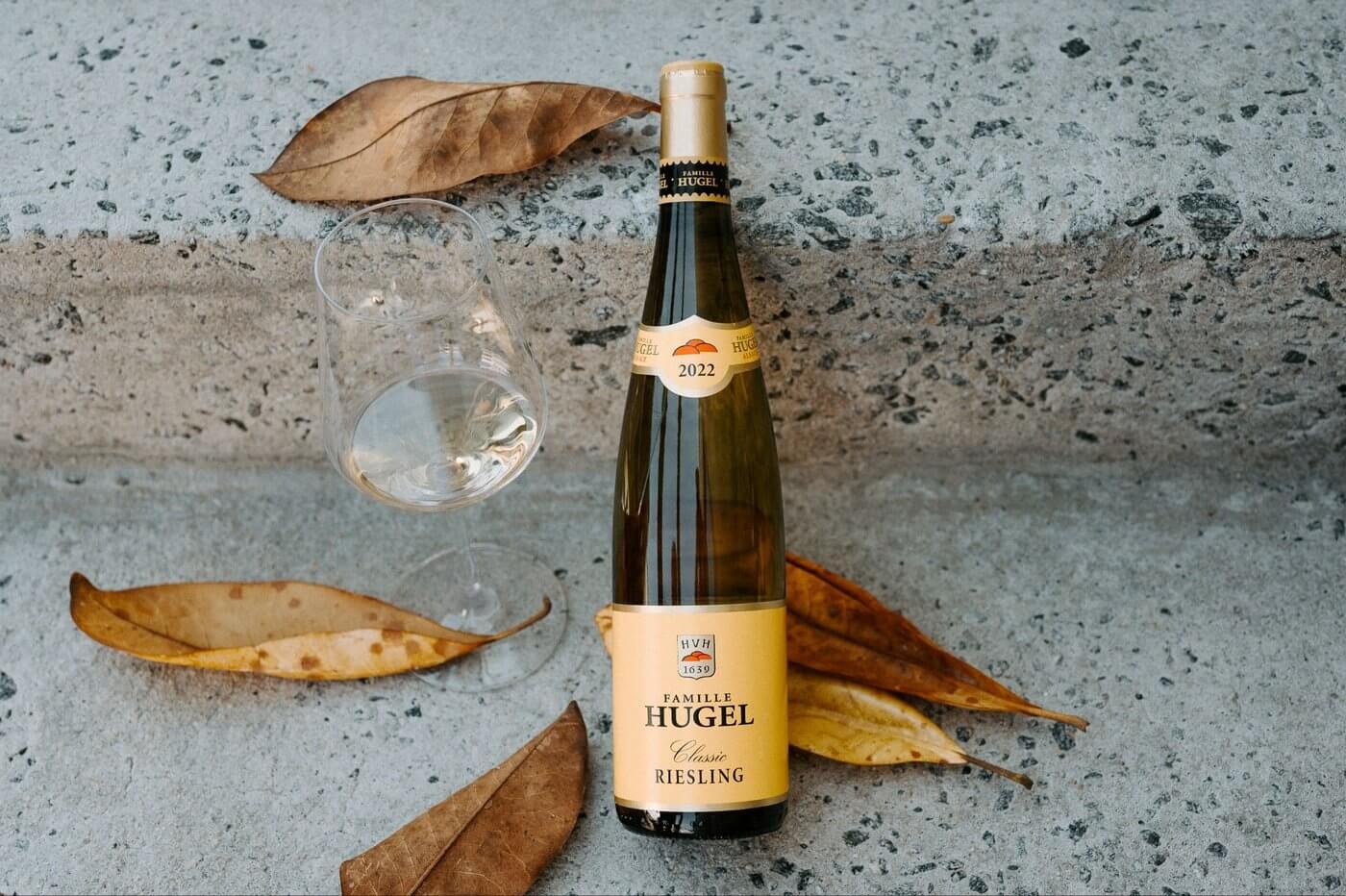
The house Riesling calls the Pinot Noir of white wines, and it’s their signature bottling. It’s also their most demanding grape, the latest to ripen, and the one that rewards the steepest slopes.
Nose: lily of the valley, elderflower, and bright citrus zest.
Palate: bone-dry and energetic, with lemon, lime, and yuzu rolling across the tongue.
Finish: clean, acidic, and addictive — no greenness, just lift.
Dry Riesling is the great unsung partner for Southern food. The acid handles fried anything, and the citrus does for pork what a squeeze of lemon does for fish.
Best enjoyed: with schnitzel, roast pork, or a Friday fish fry. It also has 5 to 10 years of cellar life if you'd rather stash a bottle.
Hugel Classic Gewürztraminer
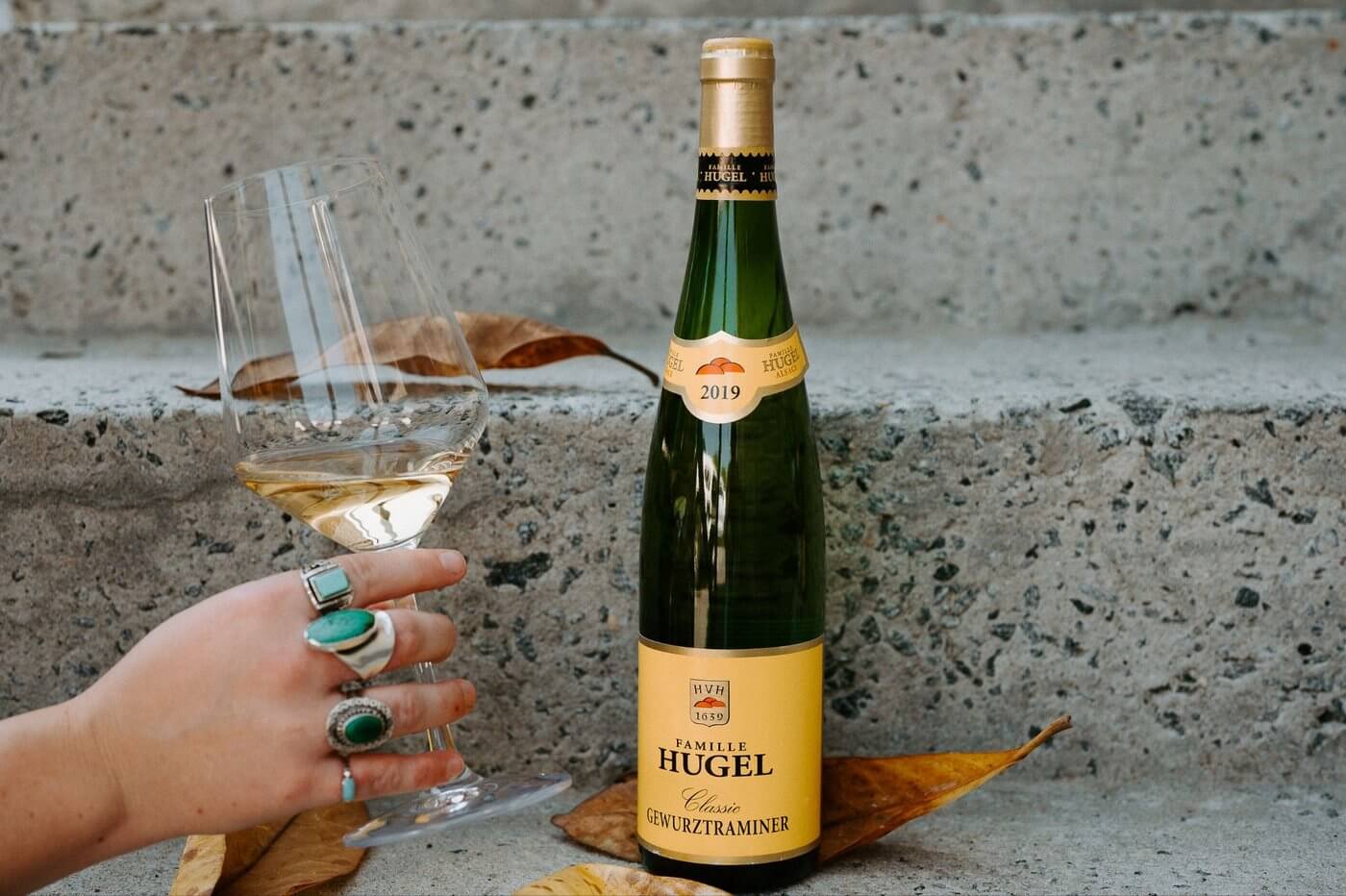
The spice of Alsace, and one of the wines Hugel is known for. The 2024 comes from vines averaging 47 years old.
Nose: rose and jasmine layered over peach, Mirabelle, lychee, and mango — heady, but never overdone.
Palate: fine and delicate, built for boldly flavored food.
Finish: precise enough to win over people who thought they didn't like Gewurztraminer.
This is the bottle for the strong cheese and the smoked salmon, and it’s the one that will quietly steal the show if your Oktoberfest spread has anything spicy on it.
Best enjoyed: well chilled, with the cheese board or with anything off a Georgia peach tree.
Hugel Classic Pinot Noir
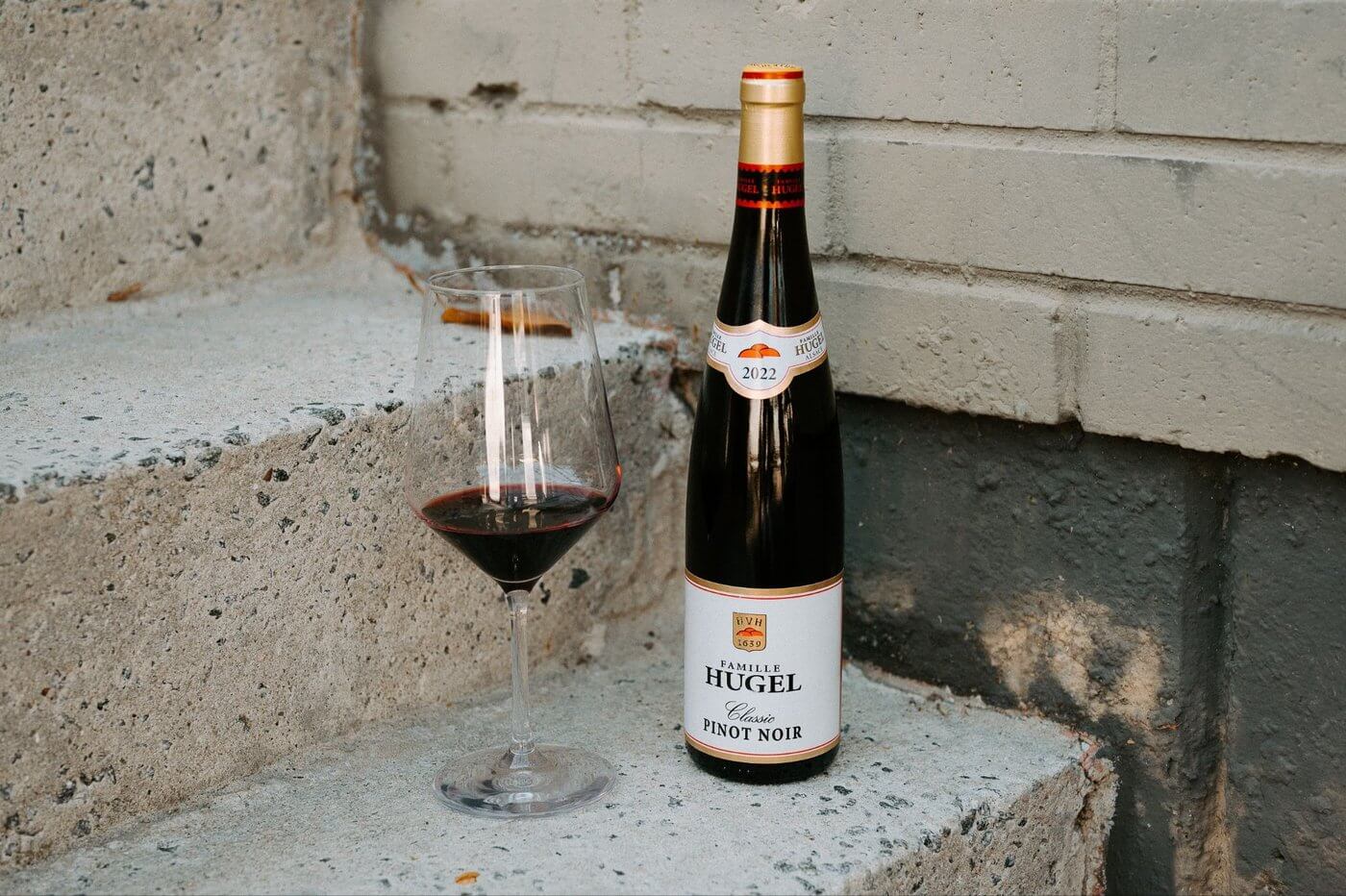
Alsace does make red, and this is a proper one - Burgundy’s famous grape with a distinctly Alsatian accent.
Nose: morello cherry, kirsch, red currant, and fresh tobacco, with no oak masking the fruit.
Palate: wonderfully fresh, tannin present but never hard, with lovely texture.
Finish: structured and lingering, dry without being austere.
Best enjoyed: slightly chilled (about 20 minutes in the fridge) with charcuterie, grilled sausages, or a plate of smoked pork off the Big Green Egg.
Prost, Y’all
Oktoberfest in Georgia runs on its own schedule. The calendar says fall, the thermometer says otherwise, and somewhere around the third week of the festival you’ll find yourself in short sleeves holding a stein, watching a polka band play to a crowd. Nobody minds, and that’s the charm of it.
